Department members
Joseph O’Sullivan & Thomas Carolan
Provision of the subject in the school
Engineering Technology JC is taught as an optional subject to students up to Junior Cycle Level.
Engineering Technology LC is the follow-on subject for students who wish to sit this subject at Leaving Certificate level. Students follow the course set out by the DES syllabus and can achieve Ordinary and Higher Level in their Leaving certificate examinations. Students sit Engineering at a Common level for their Junior Cycle.
Timetable
| JUNIOR CYCLE | 4 PERIODS PER WEEK |
| LEAVING CERT | 5 PERIODS PER WEEK |
The study of Junior Cycle Engineering aims to enable students to develop the disciplinary skills and knowledge to engineer a product and to engage in goal-oriented problem solving, creating an awareness of engineering processes. They will also develop the necessary skills and apply engineering processes to manipulate material to manufacture a product with efficiency, accuracy, precision and a high-quality finish.
Students will learn the basics of:
- Metallurgy
- Material Science
- Hand tools and Equipment
- Measurement
- Machining
- CNC machining
- Joining of Materials
- Health and Safety
- Mechatronics
With both theory and practical elements to the examination, the student will get a great opportunity to show their talents. With the completion and part design of a final project, students find junior engineering to be a very motivating and rewarding subject, opening their eyes to the world of engineering at Leaving Certificate level and beyond.
| Assessment breakdown | |
| Project | 70% |
| Theory | 30% |
| Total | 100% |
Engineering Technology (Leaving Certificate)
Engineering is one of the most dynamic and innovative areas of modern life, shaping the technologies and systems that impact society every day. Choosing to study Leaving Certificate Engineering offers students the opportunity to explore a challenging and exciting subject that develops creativity, practical ability, analytical thinking, and problem-solving skills.
Leaving Certificate Engineering provides students with a strong foundation in modern engineering principles through practical and theoretical learning experiences. The course encourages students to think and work like engineers by designing, manufacturing, testing and evaluating solutions to real-world problems.
Students will study four key strands of learning:
- Engineering Processes
Manufacturing methods, machining, materials processing, measurement, metrology, quality control, health and safety, and digital manufacturing technologies.
- Automation and Control Systems
Mechatronics, sensors and actuators, electronic control systems, programming, automation, robotics, and smart manufacturing technologies.
- Design Capability
Engineering drawing, CAD modelling, design communication, prototyping, testing, iterative design development, and sustainable engineering design.
- Engineering Principles and Energy
Material science, mechanics, forces and motion, energy systems, electrical circuits, pneumatics, hydraulics, and engineering calculations.
Throughout the course, students will develop technical knowledge alongside practical workshop skills while gaining an understanding of ethical engineering practices, sustainability, innovation, and the role engineering plays in solving local and global challenges.
Students of Leaving Certificate Engineering will apply their knowledge and skills through the completion of a Design and Manufacture Project, where they will analyse a design brief, research solutions, develop ideas, manufacture a final solution, test and evaluate their work, and document the entire engineering process in a supporting folio.
This project, together with the final written examination, makes Engineering a highly engaging, practical and academically rewarding subject. It prepares students for further study in engineering, apprenticeships, technological careers, and many STEM-related pathways while developing transferable skills valued across all industries.
Assessment Structure
Assessment Component | Weighting |
Design and Manufacture Project | 50% |
Written Examination | 50% |
Total | 100% |
Assessment is available at:
- Ordinary Level
- Higher Level
Leaving Certificate Engineering is an ideal subject for students who enjoy designing, creating, problem-solving, and exploring how things work. It provides an excellent introduction to engineering at third level and opens pathways into a wide range of engineering and technology-based careers.
Facility
We have a well-equipped specialist room, furnished with twenty-four benches, a large variety of hand tools and metalworking machines. This allows all students to experience the environment of a practical workshop situation.
Planning and Preparation
Department meetings are held at the beginning and end of each term. We also discuss department matters on a daily basis as issues arise. A member of metalwork teacher association E.T.T.A. Ongoing In-service with T4 technology subject development group.
Resources
- Textbooks:
- JC Engineering Technology
- LC Engineering Technology
- Mini Library of Reference Books.
- Wall charts, process diagrams.
- Engineering Components and Models.
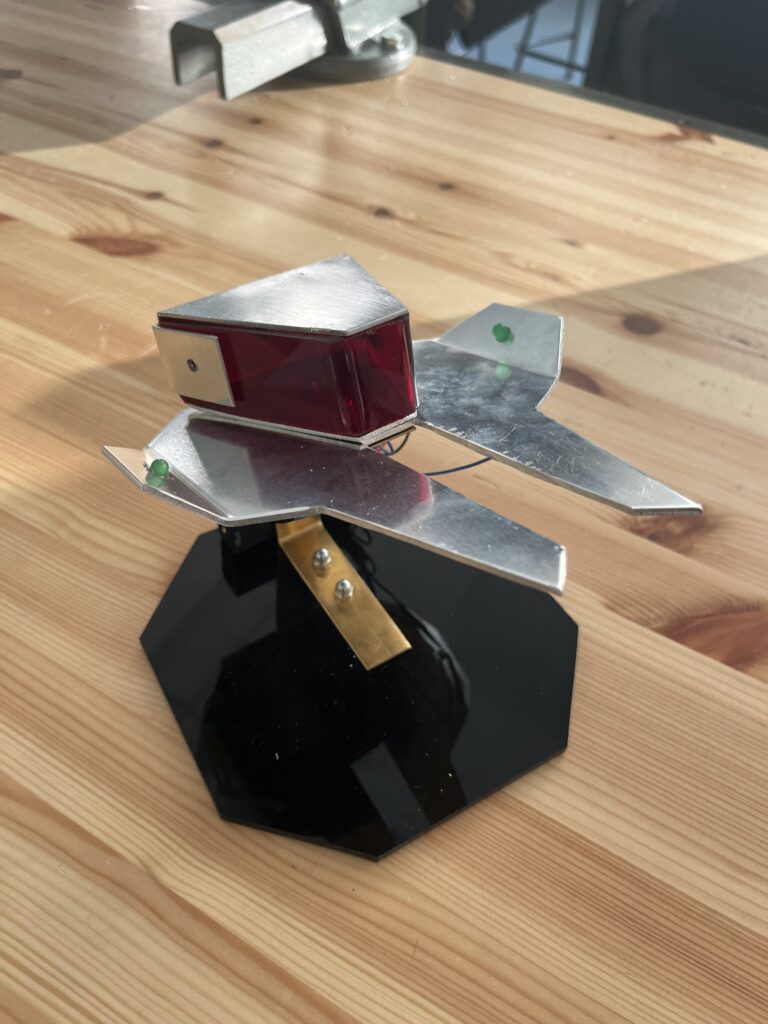
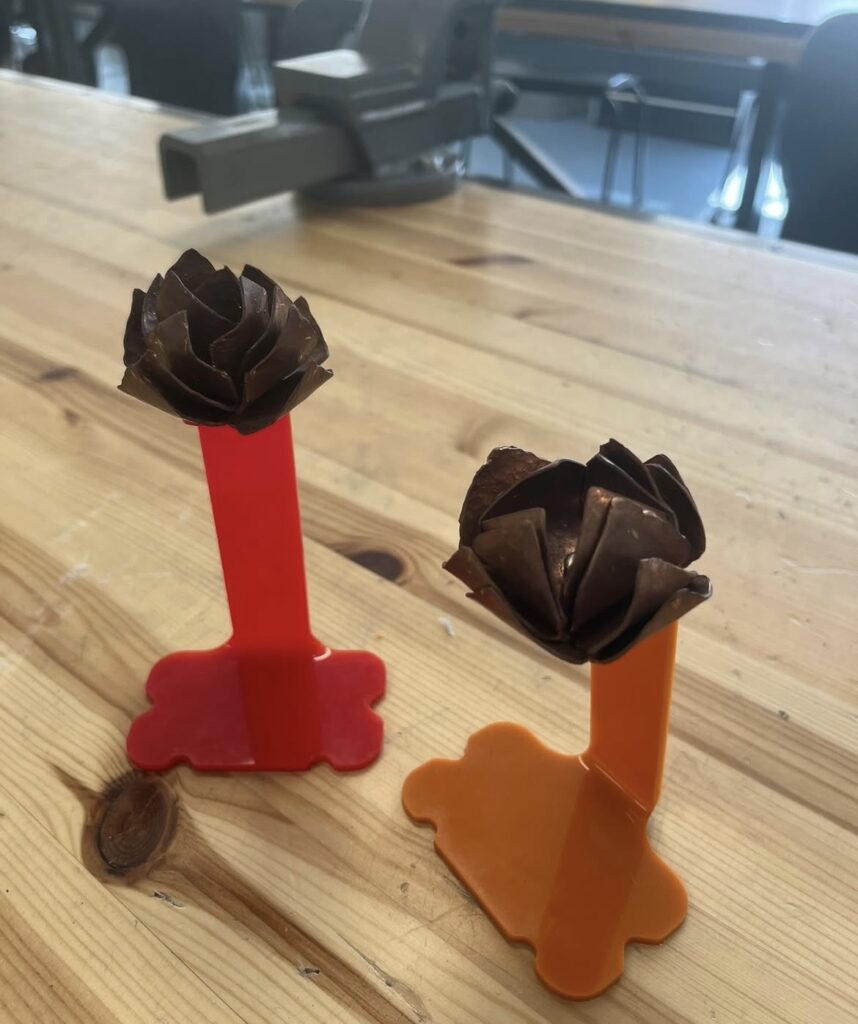
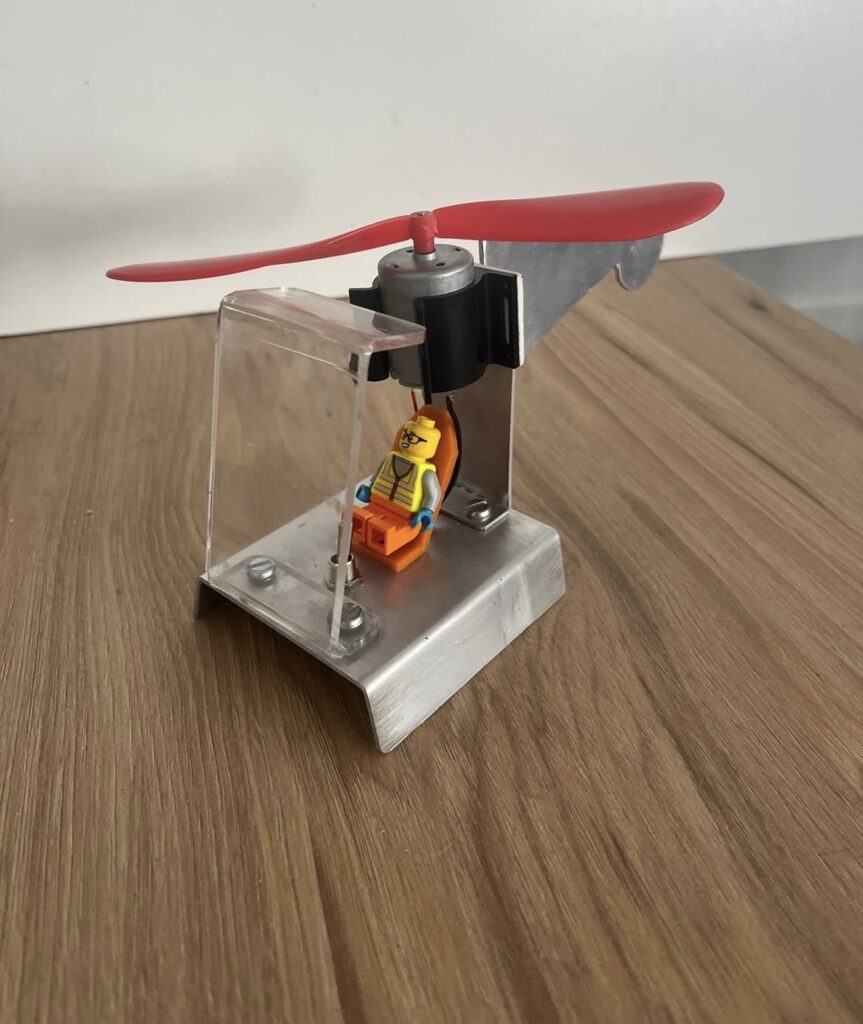
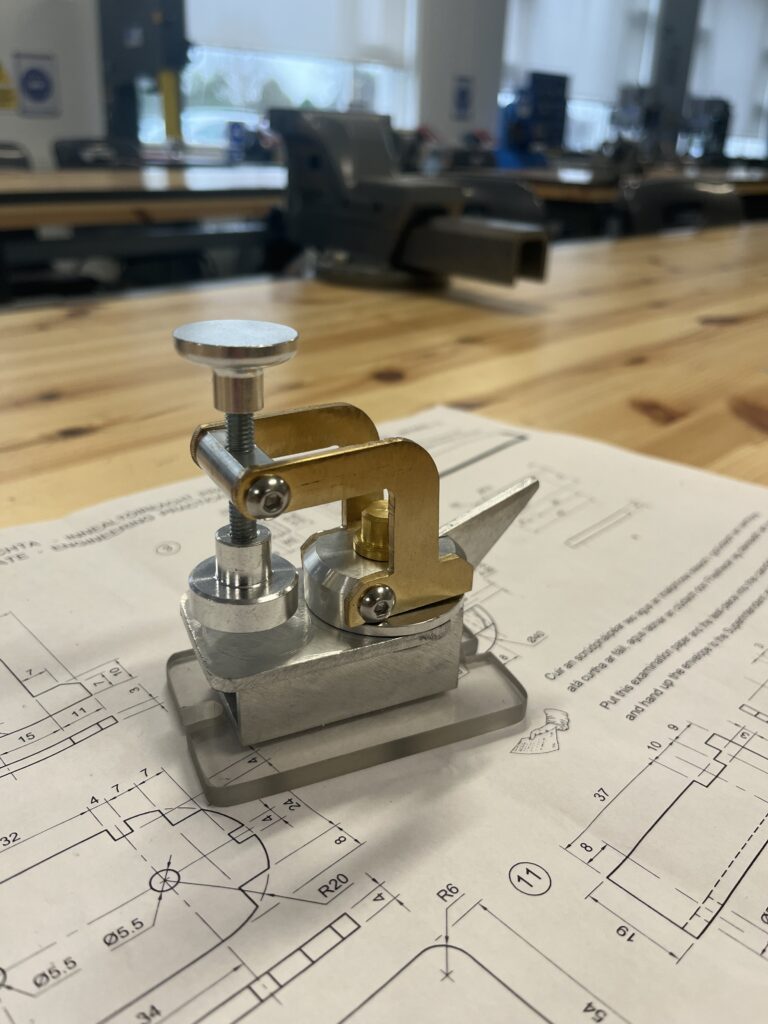
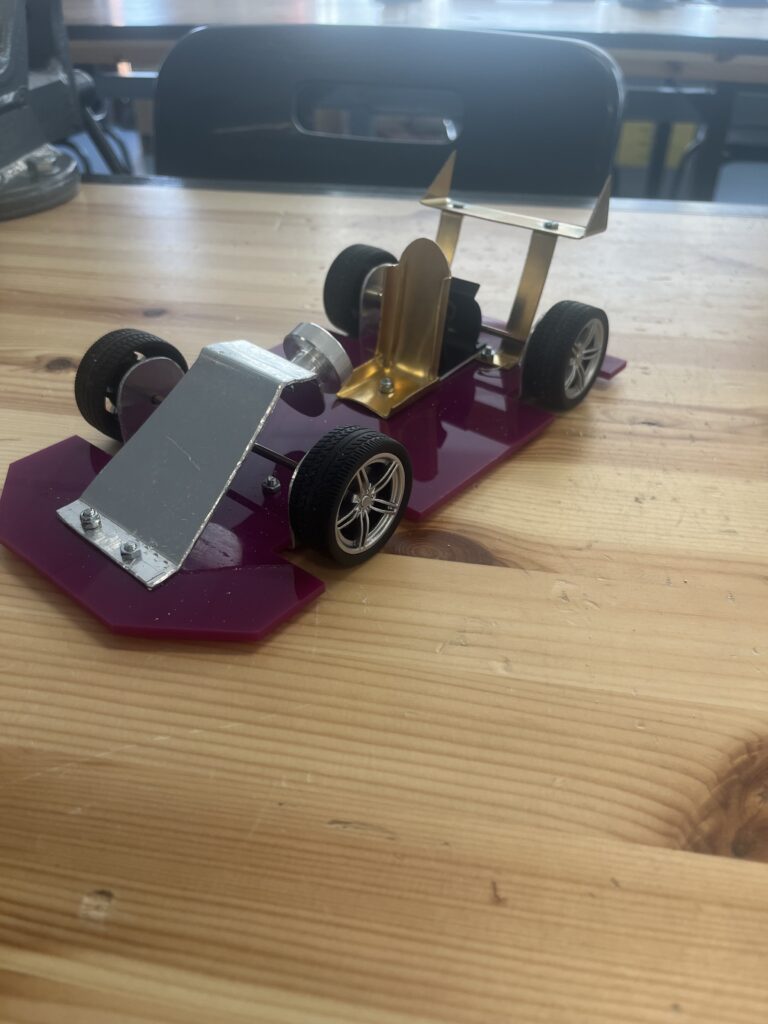
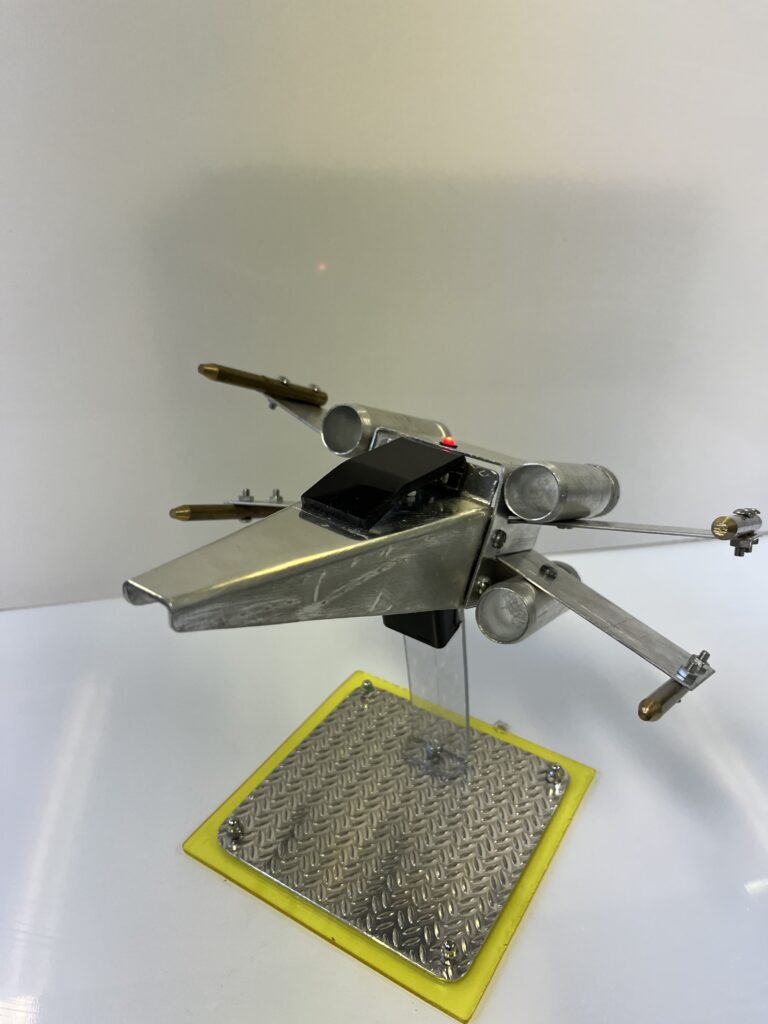
- Collection of student project work displayed.
- Use of Internet to research and design. Data projector.
- A well-equipped engineering workshop with its array of tools and machinery is of immense value as a resource for the teaching and learning of the subject.